
Meet Costas, Solebike Co-Founder

An electric bike tour in Athens’ historic centre helps you connect the city’s layers, from Kerameikos and Thissio to Plaka, the Acropolis area, Zappeion and the Panathenaic Stadium — all from public routes and viewpoints, without entering archaeological sites.
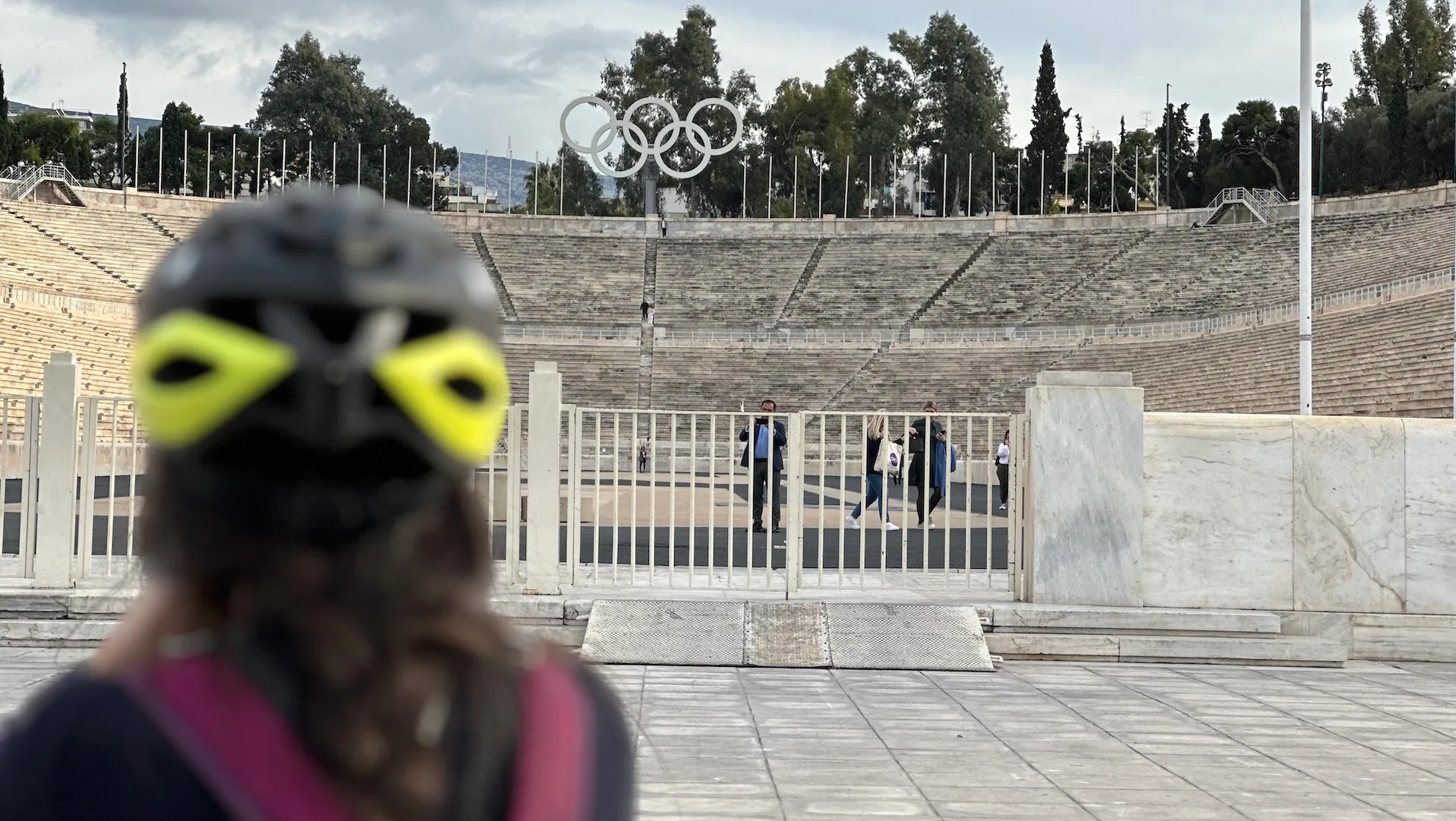
Athens’ historic centre is compact but layered. Many of the city’s most important places sit close enough to connect into a single, comfortable route, but far enough apart that covering them on foot can feel tiring or slow, especially in warm weather. An electric bike tour in Athens historic centre helps visitors understand how these places actually relate to one another — from Kerameikos and Thissio in the west, through Plaka and the Acropolis area, to Zappeion, the Panathenaic Stadium, and the Presidential Palace area in the east.
It’s worth being clear from the start: this kind of tour doesn’t enter archaeological sites. It moves through public streets, pedestrian areas, and viewpoints around them, offering context, orientation, and outside views rather than ticketed access inside.
Many first-time visitors picture the Acropolis and assume that’s the whole story. In reality, the historic centre is a much wider living area — ancient ruins, neoclassical buildings, and thoroughly modern city life all exist side by side, often on the same street. An eBike helps connect these different layers without turning the experience into a rushed dash between highlights.
The real value here is orientation and context, not simply ticking landmarks off a list. Understanding how Plaka relates to the Acropolis, or how Kerameikos connects to Thissio, tends to make the rest of your stay in Athens easier to navigate — you already have a mental map of the city, rather than a collection of disconnected photos.
An electric bike tour in Athens’ historic centre generally moves at a relaxed pace, in a small-group setting, with regular stops for stories and photos along the way. It’s not a sports ride, and it’s not a site-entry tour — it’s a smart route designed to connect the city’s major areas comfortably, through streets, pedestrian zones, and public spaces.
For more detail on how a typical ride actually flows, our page on how our Athens eBike tours work covers the practical side — briefing, guide support, and what to expect from start to finish.
On the western side of the route, the area around Kerameikos serves as a historic reference point — one of the city’s ancient cemeteries and a reminder of how far Athens’ history extends beyond the Acropolis itself. Nearby, Thissio’s pedestrian streets bring a completely different rhythm: cafés, open views toward the Acropolis, and the easy pace of everyday Athenian life.
This contrast — ancient stillness on one side, modern urban rhythm on the other — is part of what makes riding through this part of the city feel so distinctive.
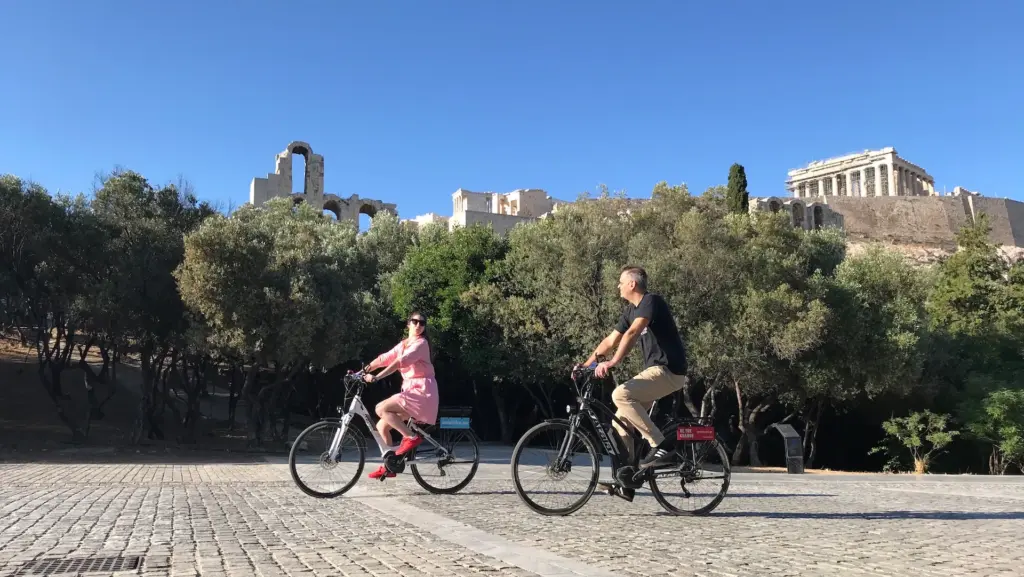
A relaxed eBike ride along Dionysiou Areopagitou, one of the most beautiful car-free routes in Athens. Photo: Sofia Souflaki.
The Acropolis functions as a visual anchor for much of the route, and riding around the wider Acropolis area offers public viewpoints and genuine photo moments. Depending on the tour, this may also touch the Pnyx or Areopagus hilltops, and the famous Anafiotika neighbourhood.
To be clear: the tour does not enter the Acropolis archaeological site. What it offers instead is a sense of scale and setting — how the hill sits within the modern city around it. For more on where to find the best views in the city generally, our guide to scenic viewpoints in Athens is worth a look.
Plaka is where Athens’ old-city character comes through most clearly — narrow streets, neoclassical houses, small shops, and a genuine sense of a neighbourhood that predates the modern city around it. Riding through this part of the route means moving carefully and respectfully, since Plaka’s alleys are shared with pedestrians and residents going about their everyday lives, not built for tour groups.
The bike tour leader’s local knowledge matters here, helping the group move through Plaka’s tighter streets without disrupting the neighbourhood’s own rhythm.
Few visitors realise that central Athens actually holds two separate agoras, sitting close enough together that a route can pass near both within the same ride. Riding past both areas in the same outing gives a genuinely useful sense of how Athens layered one era on top of another, rather than existing as a single “ancient” moment frozen in time.
The Ancient Agora, near Thissio, was the heart of civic and public life in classical Athens — the marketplace, meeting place, and social centre of the ancient city. A short distance away, the Roman Agora reflects the next era of the city’s history, once Athens had come under Roman occupation.
Further along the route, the towering columns of the Temple of Olympian Zeus — often called the Olympion — come into view. Once one of the largest temples in the ancient world, only a handful of its original columns still stand today, but even from outside, their scale is hard to miss against the modern city around them.
Right beside it sits Hadrian’s Arch, better known as Hadrian’s Gate — a striking Roman-era monument that once marked the boundary between the older Greek city and the newer Roman quarter built under Emperor Hadrian. Riding past this pairing offers one of the route’s clearest visual reminders of how many layers of history sit within a few footsteps of each other in Athens, all seen from the surrounding streets and public viewpoints.
Moving east, the route typically opens up — dense historic streets give way to the neoclassical elegance of the Zappeion and the shaded edges of the National Garden. This part of the ride brings a calmer atmosphere and a bit of breathing space, a useful contrast after the tighter streets of Plaka and the historic centre.
Seeing the Panathenaic Stadium from outside is one of the more memorable moments on many routes — an entirely marble stadium with a direct connection to the first modern Olympic Games. It’s a strong photo moment, even without going inside. If you’d like to visit the stadium’s interior, that would need to be arranged separately from the eBike tour itself.
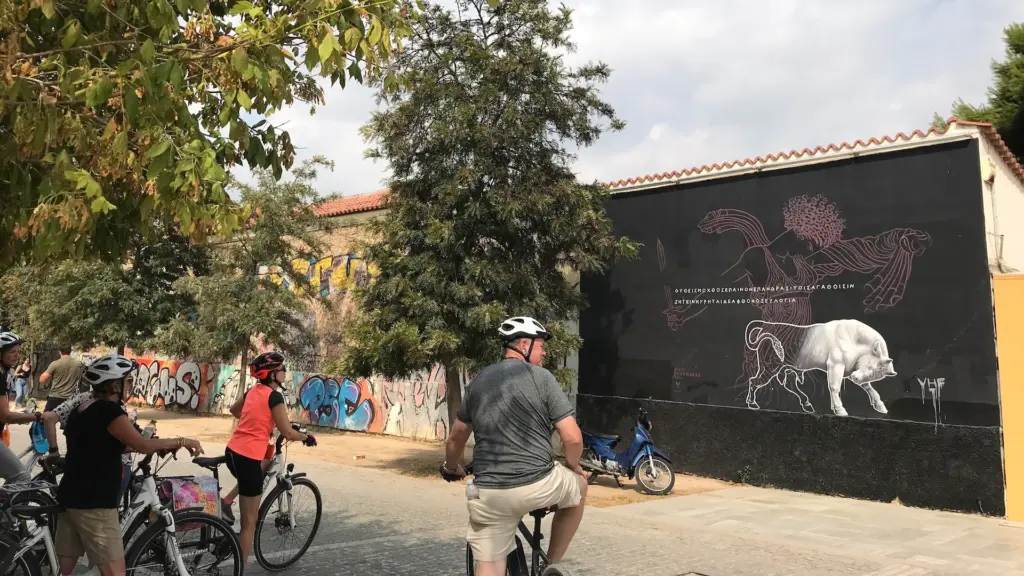
A Keramikos ride shows a different side of Athens, where ancient routes meet contemporary street art. Photo: Sofia Souflaki.
On the eastern side of the route, the ride often passes through areas connected with civic Athens and modern Greek state symbolism, near the Presidential Palace. Depending on timing and route, guests may also pass near areas connected with the Presidential Guard and modern Greek civic life, providing view of the change of the guard ceremony itself.
Covering this much ground on foot in a single outing would be a genuinely tiring undertaking, particularly in summer. An eBike lets you cover considerably more distance, with gentle electric assist handling the city’s occasional hills, while keeping you outdoors and genuinely connected to the streets — not watching the city pass by from inside a vehicle.
The eBike tour sets one’s the city orientation along the way, which tends to make it easier to understand how these different areas actually connect — a particularly useful thing for first-time visitors trying to get their bearings early in a trip.
Riding in the morning tends to make this kind of route noticeably more comfortable — cooler temperatures, softer light for photos, and a calmer overall rhythm before the day’s heat, traffic, and crowds fully build up. For many guests, this timing shapes a genuinely pleasant first impression of the historic centre. Our 9:15 eBike Tour in Athens is built specifically around this kind of start.
This style of tour tends to suit a fairly wide range of visitors, including:
If you have questions about riding in the city, traffic, or general preparation, our Athens eBike safety FAQs cover this in detail. And for groups or families who’d prefer a fully tailored pace and route, private and custom Athens tours offer that flexibility.
Being upfront here matters. If you specifically want to enter archaeological sites — the Acropolis, the Ancient Agora, or others — you’ll need to plan separate ticketed visits, since the eBike tour doesn’t include site entry. If you’d rather not ride a bike at all, our Athens audio tour offers a similar sense of storytelling and orientation on foot, entirely at your own pace. And if your family or group needs a slower, more customised route than a shared departure allows, private and custom Athens tours are generally the better fit.
An electric bike tour in Athens’ historic centre isn’t about entering every site along the way — it’s about understanding the shape of the city, moving comfortably between its different layers, seeing landmarks from public spaces and viewpoints, and understanding the way that all connect ancient and modern Athens, that’s hard to get from a map alone.
Explore our full range of Athens eBike tours, start your visit with the 9:15 eBike Tour in Athens choose a private and custom Athens tour for more flexibility, or try our Athens audio tour if you’d prefer to explore independently on foot.
Typically areas around Kerameikos, Thissio, the Acropolis surroundings, Plaka, Zappeion, the Panathenaic Stadium, and the Presidential Palace area, viewed from public streets and viewpoints.
No. The tour rides around and near these areas from public spaces, without entering ticketed archaeological sites.
Yes, many routes pass the stadium from outside, offering a strong photo and storytelling moment, though the interior isn’t included.
Many routes pass through or near Plaka’s streets, though exact stops can vary depending on traffic, timing, and group pace.
The route often passes around or near the Kerameikos area on the western side of the historic centre, as part of the wider ride.
Yes, particularly for orientation — connecting different neighbourhoods and landmarks in a way that’s harder to grasp from isolated visits alone.
Yes, it’s often a helpful way to get an early sense of the city’s layout before exploring further independently.
Generally yes, thanks to cooler temperatures, softer light, and a calmer city rhythm before crowds and traffic build up later in the day.
Plan a separate, ticketed visit to sites like the Acropolis or Ancient Agora, since the eBike tour doesn’t include entry to these locations.
Athens is not only a city to visit, but a city to feel, understand, and connect with. Through our tours and the guides we share here, we try to offer a useful and real sense of the city — its monuments, neighbourhoods, local life, hidden corners, and everyday rhythm — so you can explore it with curiosity, care, and a lighter footprint.
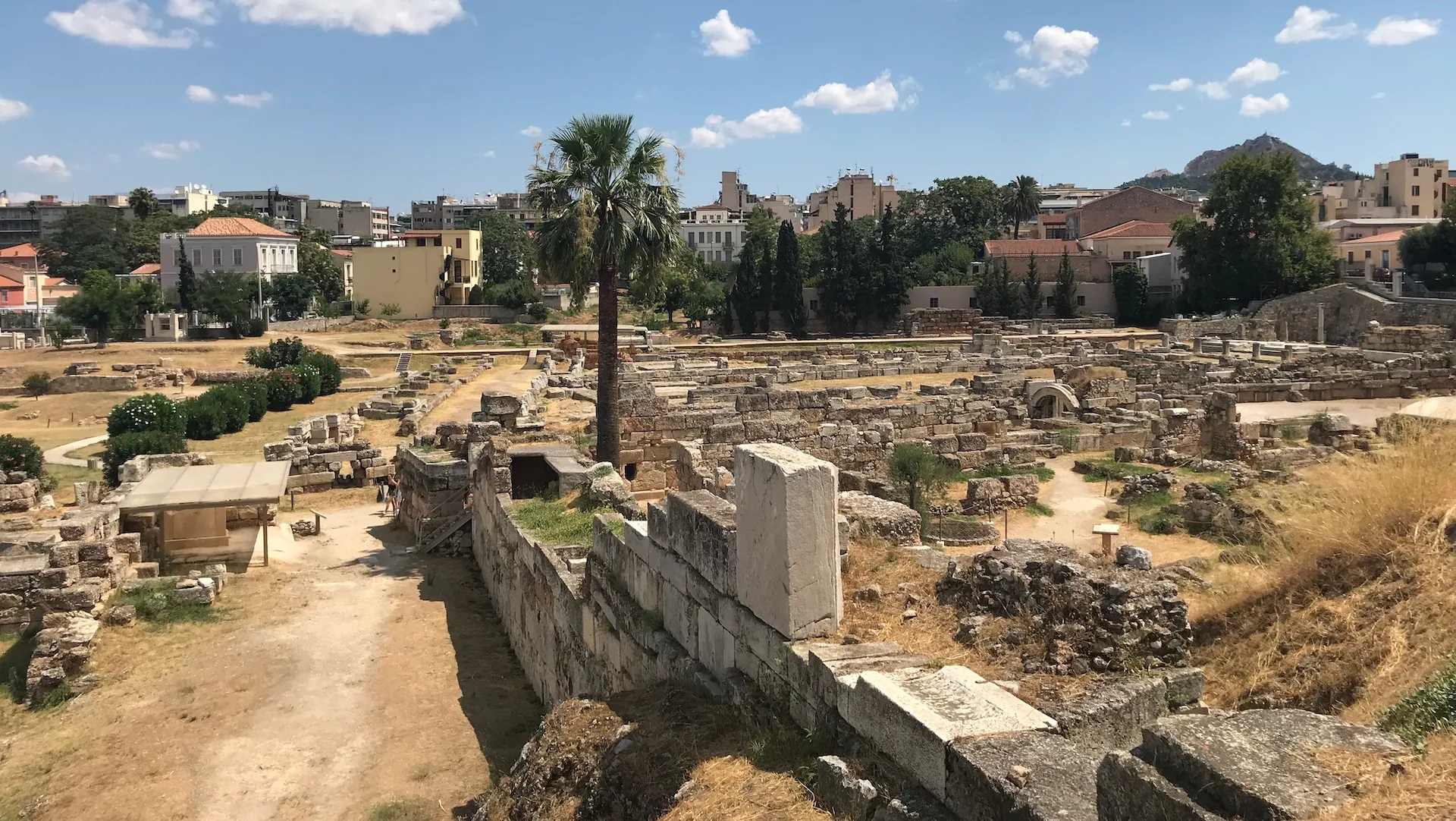
Kerameikos is often passed by on the way to Thissio, Monastiraki, or Gazi, but this quiet archaeological site reveals a deeply human side of Athens. Through clay, pottery, burial customs, ancient roads, the Eridanos River, and later city layers, Kerameikos helps us see Athens from the ground up.
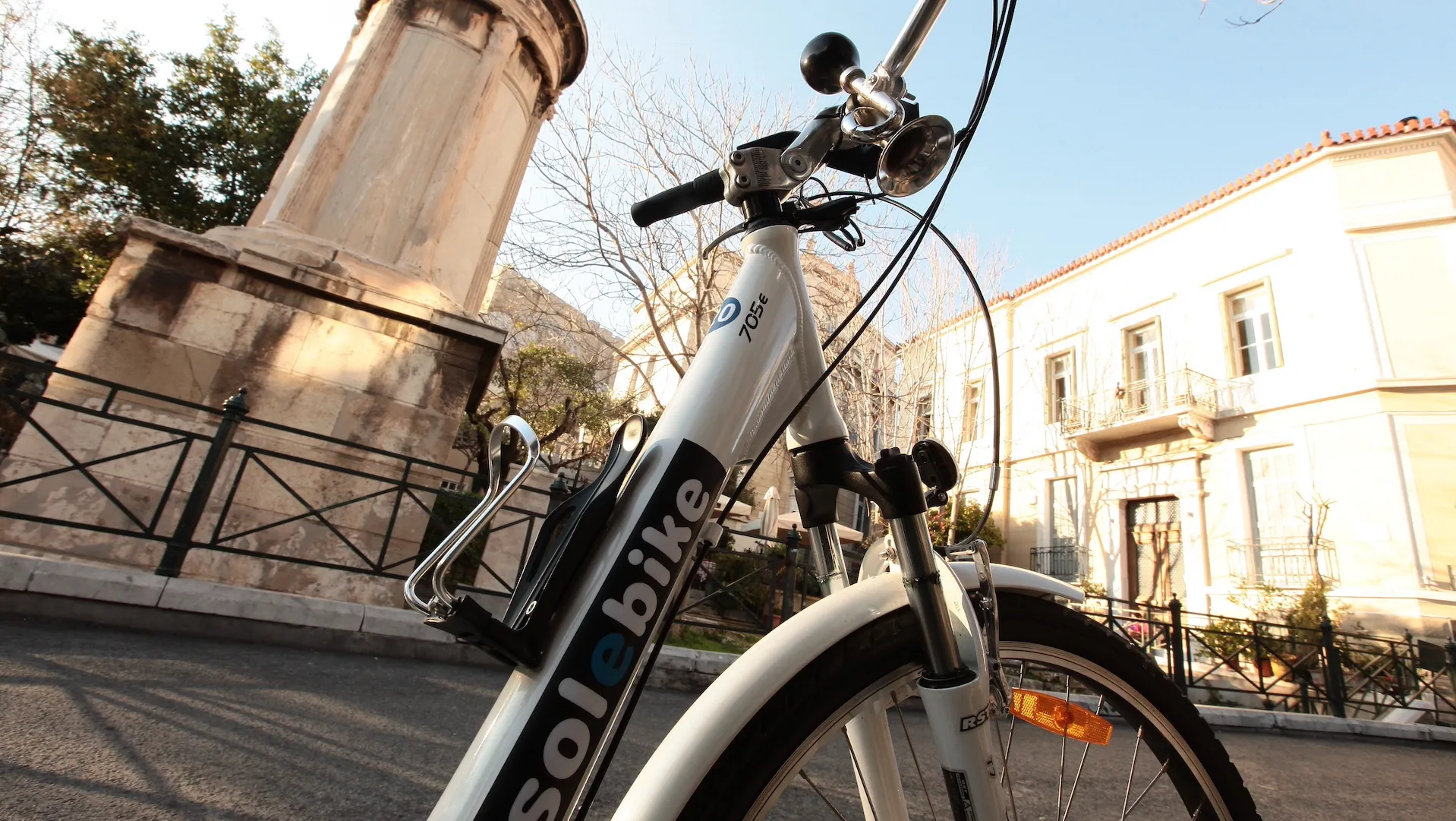
Plaka is known as the pretty old neighbourhood below the Acropolis, but its smaller streets — Tripodon, Lisiou, Mnisikleous and Tholou — hold a deeper story of ancient theatre, lost nightlife and a city that never stopped reshaping itself.








A huge thank you for this philosophy-themed bike tour of Athens. It was an enriching and unique experience, following in the footsteps of Socrates, Plato, and Aristotle, blending history, reflection, and exploration of the city.